thinking only of oneself, without regard for the feelings or desires of others; self-centered
The Rise of Thrift Shopping: A Movement Toward Sustainability
Explore the rise of thrift shopping from 1990s grunge culture to mainstream fashion. Learn how second-hand clothing became a popular, sustainable, and stylish choice.
Thrift Shopping’s Journey to Mainstream
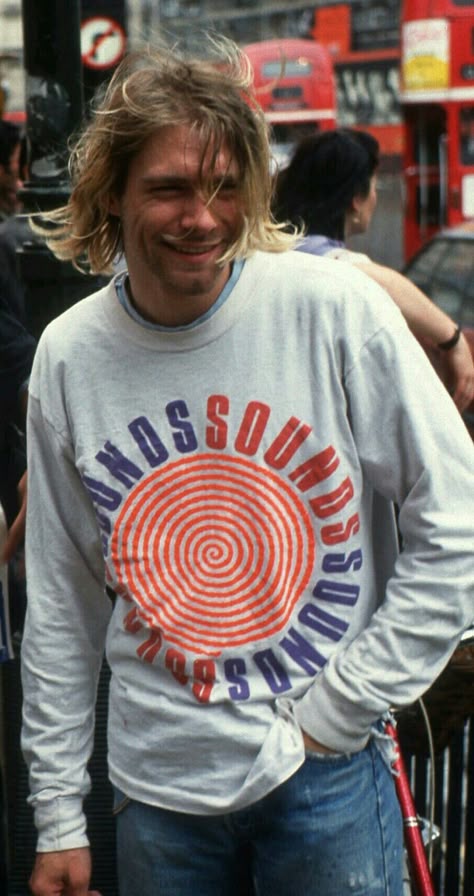
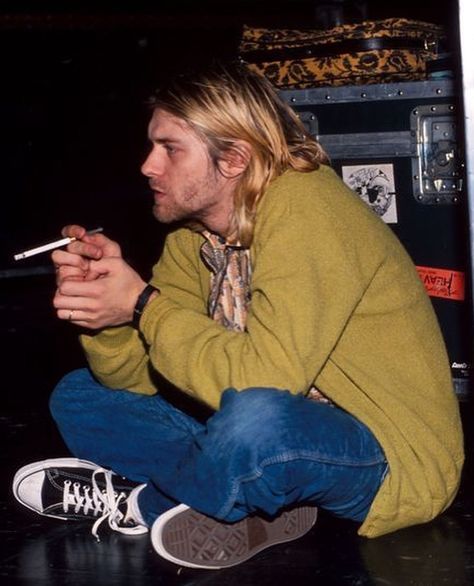
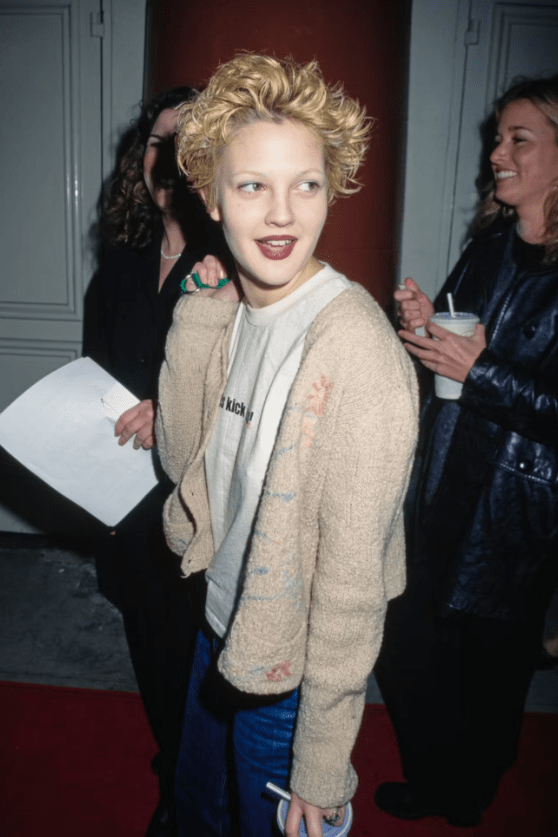
The 1990s were pivotal in bringing thrift stores into popular culture. The grunge movement, led by figures like Kurt Cobain, embraced the idea of wearing second-hand, mismatched clothing as a rebellion against the polished, consumer-driven fashion trends of the time. This approach to style was authentic, laid-back, and affordable—a sharp contrast to the designer-driven fashion of the ’80s. Thrift stores were no longer just a place to shop for those on a tight budget, but a way to make a personal fashion statement. As we moved into the 2000s, second-hand fashion began to make its mark in high fashion as well.
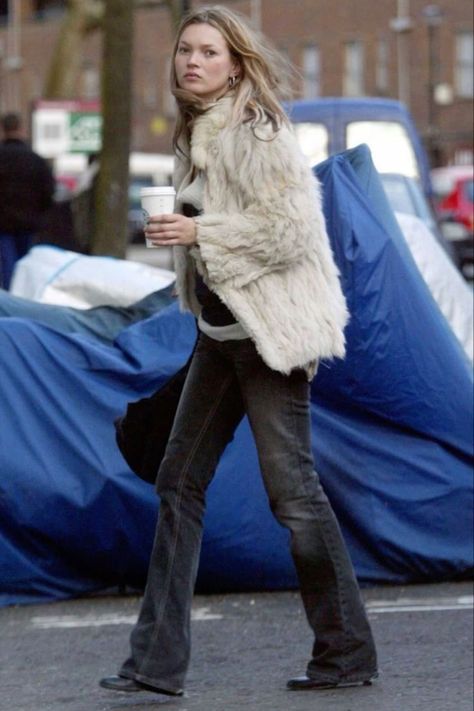
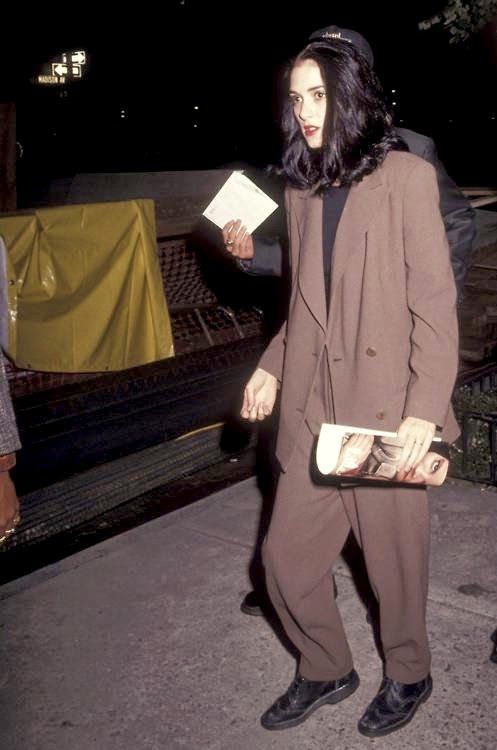
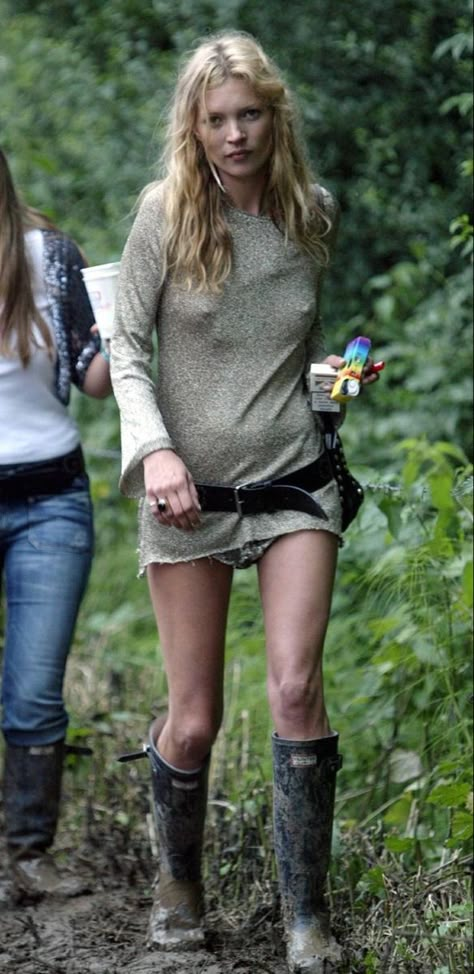
Stylist Bay Garnett played a significant role in this shift, showcasing thrifted items in mainstream publications like Vogue. Garnett’s work made it clear that thrifted clothing was not only a sustainable option but could also be incredibly chic. Celebrities like Winona Ryder, Kate Moss, and, more recently, Billie Eilish further pushed the idea of second-hand clothing being fashionable, popularizing the notion of wearing thrifted and vintage pieces on red carpets and in daily life.
The Role of Sustainability in Thrifting
While fashion trends come and go, one thing remains clear: the environmental impact of fast fashion is undeniable. The fashion industry is one of the largest polluters in the world, contributing to vast amounts of textile waste, water consumption, and CO2 emissions. “Of the 100 billion garments produced each year, 92 million tones end up in landfills” Earth.org. This has led to a growing awareness of the environmental costs of clothing production and disposal.
“Every second, the equivalent of one garbage truck of textiles is landfilled or burned. If nothing changes, by 2050 the fashion industry will use up a quarter of the world’s carbon budget. Textiles are also estimated to account for approximately 9% of annual microplastic losses to the ocean.”
UNEP (2020) Sustainability and Circularity in the Textile Value Chain: Global Stocktaking.
Thrift shopping became a key part of the solution. By buying second-hand clothing, consumers are contributing to a circular economy. Instead of purchasing new garments that require energy-intensive production, second-hand items are given new life, keeping them out of landfills.Thrifting offers a direct solution to this waste problem.
Additionally, thrifting allows individuals to make a statement against the exploitative labor practices often associated with fast fashion. By purchasing second-hand goods, consumers are choosing to avoid the harmful impact that overconsumption and unethical production have on global communities.
Social Media’s Influence
In the digital age, thrifting has gained even more traction, largely thanks to social media platforms like Instagram and TikTok. Influencers and content creators have played a massive role in shaping the conversation around second-hand shopping. YouTubers like BestDressed Ashely and TikTok users sharing their “thrift hauls” have made it ~cool~ to hunt for vintage and unique clothing pieces. The hashtag #ThriftFlip, for example, has become a sensation on TikTok, with creators showing off how they repurpose thrifted clothing into modern, stylish outfits.
These platforms have made thrifting not only accessible but also aspirational. Social media allows users to share tips, tricks, and finds in real-time, creating a virtual community of thrift shoppers who are passionate about sustainability. This digital shift has made second-hand shopping more than just a trend—it has solidified it as part of a larger cultural movement.
Economic and Environmental Impacts
Beyond the environmental benefits, thrifting also has economic advantages. The 2008 financial crisis played a role in elevating second-hand shopping, as many consumers turned to thrift stores as a more affordable way to stay stylish during tough economic times. With the rise of online resale platforms like Depop, Poshmark, and ThredUp, people can now sell their unwanted clothes, allowing others to shop sustainably while also earning money from their items.
Thrifting also fosters local economies. Small, independently owned thrift shops often support charities and community-based initiatives, ensuring that proceeds benefit local organizations. Larger chains like Goodwill and Salvation Army also contribute to charitable causes, making your second-hand purchase feel even more impactful.
A Sustainable Future for Fashion
Thrift shopping is more than just a passing trend—it’s a movement that addresses the growing demand for sustainability in fashion. Whether driven by the desire to reduce textile waste, the appeal of one-of-a-kind fashion finds, or the simple need to save money, thrifting is here to stay. As more people become aware of the environmental and social costs of fast fashion, second-hand shopping offers an alternative that benefits both the planet and the pocketbook.
In the future, as awareness continues to grow and social media accelerates the sharing of sustainable fashion choices, thrifting may very well become the new norm. After all, sustainability never goes out of style.

 EGO CENTRICS
love this article!
LikeLike